A Miraculous Shield part 1
EACH OF THESE ARTICLES ARE EXCERPTS FROM
AMERICA’S EPIC ADVENTURE TM - CTF'S NEWEST VBS CURRICULUM
From Lesson 2: The Protected , Be strong and courageous – Joshua 1:9
A Miraculous Shield part 1
After Plymouth colony became successful, tens of thousands of people moved to the American colonies. In 1625, with only Plymouth and Jamestown, there were 1,980 people. 150 years later there would be 2.4 million!
Everything was great as people were living in freedom, but things in the 1750's would begin the process of forever changing the world.
75,000 French traders and soldiers began travelling up and down the rivers of the western frontier. They became good friends with Native Americans, who did not like how fast British colonies were growing. The French built forts along the four main rivers: the Ohio, St. Lawrence, Allegheny, and Mississippi rivers.
This made several Englishmen nervous who owned property or were fur traders in the west. This included the governor of Virginia (Robert Dinwiddie) and George Washington’s older brothers (Lawrence and Augustine, though Lawrence would die before these events happened).
A Special Mission
In October of 1753, Governor Dinwiddie sent 21-year-old Major George Washington and an Indian agent named Christopher Gist on an 11-week round trip to meet with the French forces in northwestern Pennsylvania. They travelled through snow, storms, dense forests, mountains, and freezing rivers, and were even shot at on one occasion by natives. They risked their lives just for the French general to send back with them a letter saying they would not withdraw from the lands claimed by the British. Both the French and the British would now prepare for war.
Another Important Mission
The following May (1754) George was sent out with Virginia forces to cut a road through the woods that would be used to capture Fort Duquesne (pronounced Doo-cain). It was at a very important place where two rivers (the Allegheny and Monongahela) came together to make the Ohio River. Today it is the city of Pittsburgh.
About 60 miles away from that fort, Indian scouts alerted Washington to nearby French troops. He ordered the immediate construction of Fort Necessity in a large open area called the Great Meadows, which turned out to be a glorified wooden fence with a storehouse in the middle. George would find out that it was just a scouting party, so he led a group of Virginians and Indians to confront them. They easily surprised and defeated them. But after the French had surrendered, the chieftain (called the “Half King”) killed the French commander!
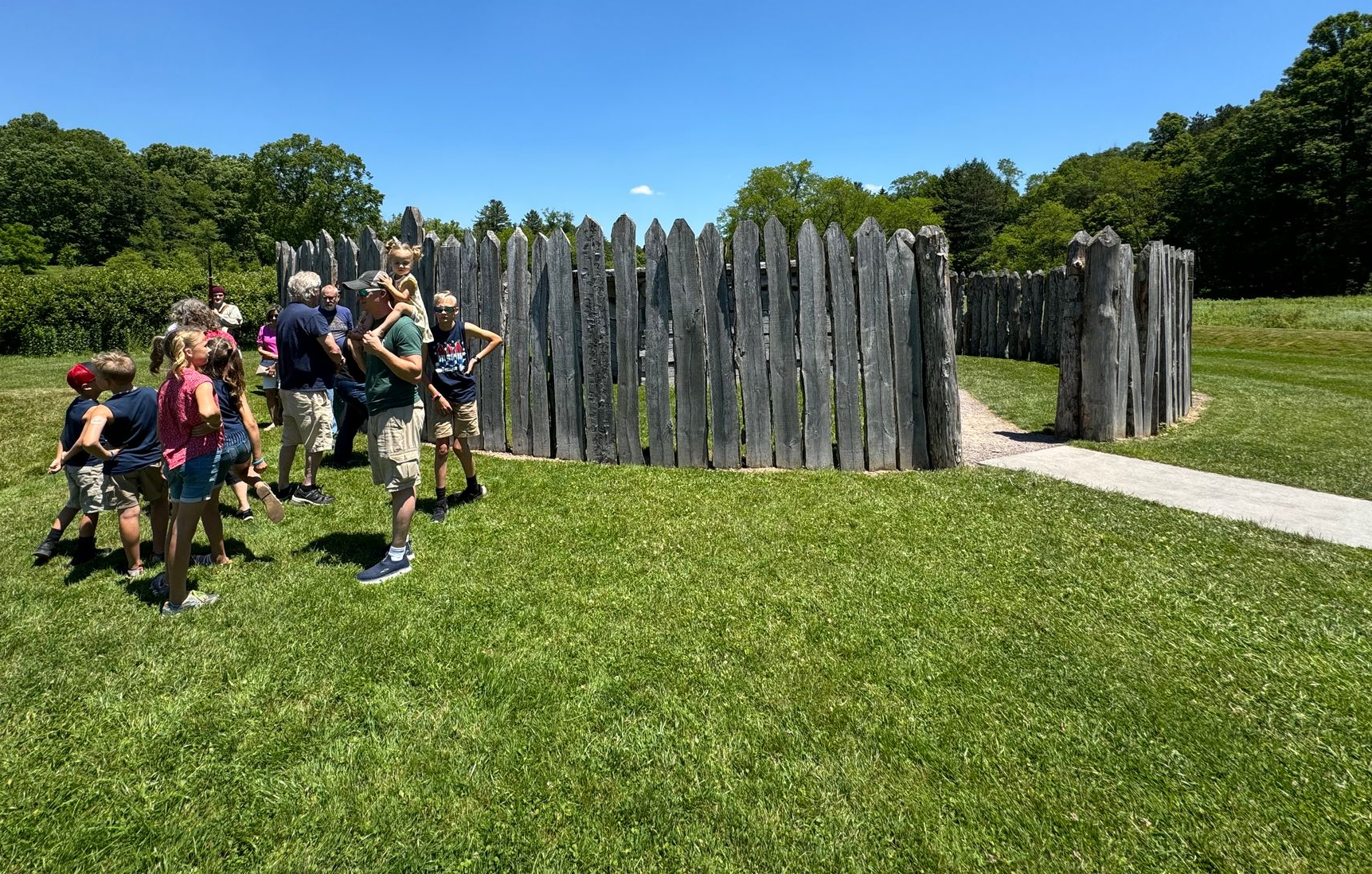
When the French found out, they were very upset and sent soldiers to attack Washington, led by the murdered commander’s brother. The French and Indian force of 600-700 attacked Washington’s forces of nearly 400 on July 3, 1754 at about 11:00 am. The battled continued until 8:00 pm. A heavy rain had flooded the trenches Washington’s men had dug, so they had to fire over the fort’s walls, mostly shooting over the enemy’s heads. The Indians, though had climbed up into trees and were shooting down into the fort.
Washington finally accepted terms of surrender that evening, and the entire regiment was allowed to return home to Virginia the next day. It would be the only surrender ever in George Washington’s military career. He and his men received a public thanks by the Virginia government upon their return.
But the French now controlled the West, plundering any English traders who might journey out there. Once news of all this reached England and France, things quickly began to spiral out of control into a war so big it would be fought all around the world!
The English sent their forces to America, and the French sent theirs. Britain’s ally Prussia joined them. France’s allies Austria and Russia joined them. The world ended up seeing its first ever global war, which lasted 7 years. It is now called the Seven Years War but was known in America as the French and Indian War. What would soon transpire would make George Washington a common and legendary name throughout the colonies.