Still “Stretchy” Fossils
For the list of 134 academic papers: https://docs.google.com/spreadsheets/d/1BSM-oQJXxhYBlsLE3gGl3bz8GXgtoLy-oLOsSNF_Lhw/edit?gid=0#gid=0
Still "Stretchy" Fossils
Twice we have reported on dinosaur collagen discoveries by CTF staff (June/July 2024 &
August 2026
newsletters). Such discoveries, however, are nothing new. Since the 1960s, multiple collagen discoveries have been reported in scientific literature. The problem for the evolutionary community was the age assigned to each fossil. For example, collagen was reported in a 30-million-year-old (MYO) musk deer,¹ a 166-MYO dinosaur egg,² a 200-MYO dinosaur bone,³ and a 393-MYO fish.⁴ There obviously should not be collagen in such ancient specimens due to collagen’s, and all other biomaterials’, short decay rates. But this made no impact in the evolutionary circles.
Then in 1993, the same year
Jurassic Park hit theaters, paleontologist Jack Horner, one of Steven Spielberg’s movie consultants, had a grant from the National Science Foundation for his Montana State University team to extract DNA from a dinosaur. While they were unsuccessful in finding DNA, they did find heme, the iron-containing molecule of hemoglobin. Doctoral student Mary Schweitzer and three colleagues published their findings in a 1997
PNAS
paper.⁵ This was remarkable but still generated little reaction because it was not beneficial to the evolutionary paradigm.
But then one discovery published in 2005 made it impossible to keep silent. After dissolving the mineral from a
T. rex femur fossil, there was biomaterial remaining in the solution.
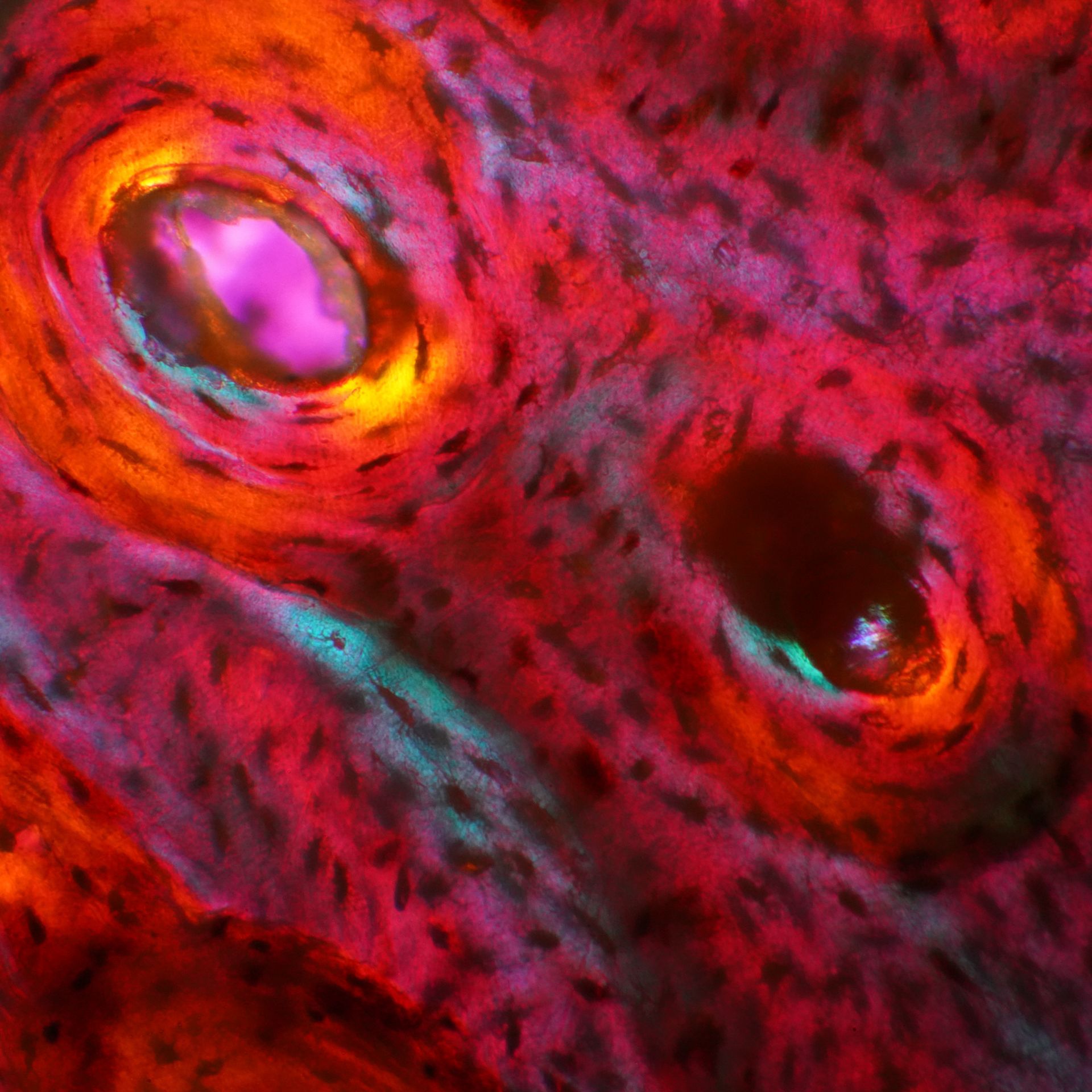
Scientific American described the amazingly preserved material as “stretchy.”⁶ Again, biomaterials cannot last for millions of years. If dinosaurs went extinct 66 million years ago, their fossils should not be “stretchy!” The biomaterial turned out to be blood vessels and osteocytes (bone cells).⁷ Horner’s team went so far as to build a mobile lab they took to dig sites to get even better preservation of original soft tissues.
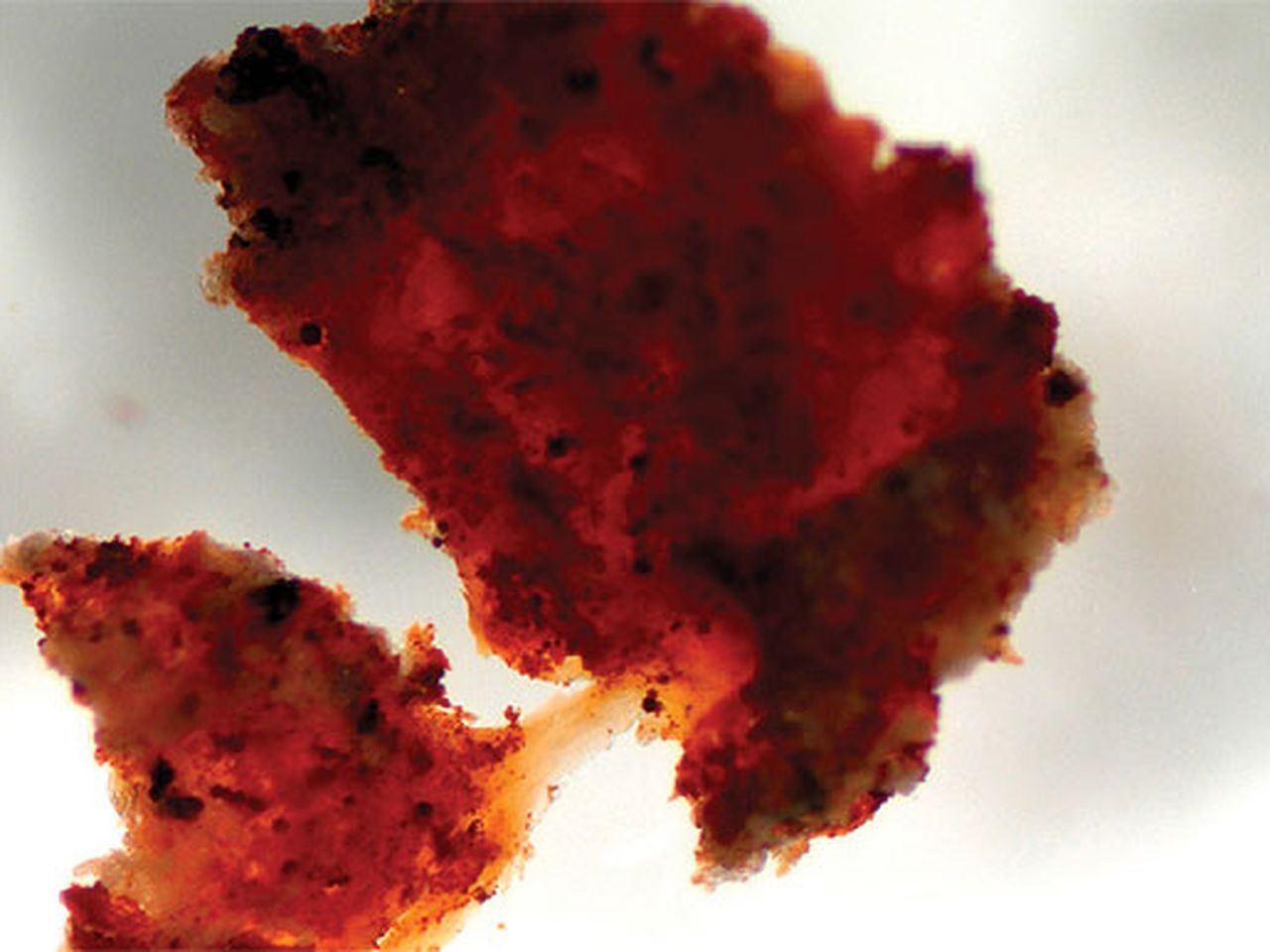
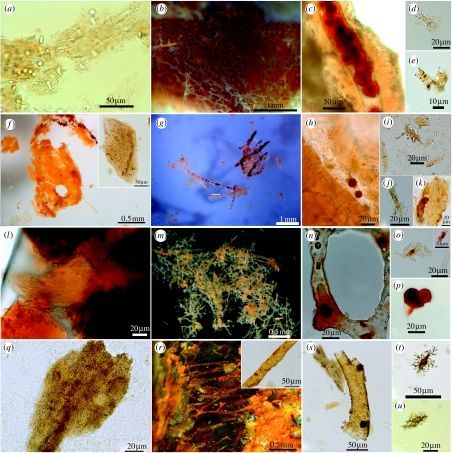
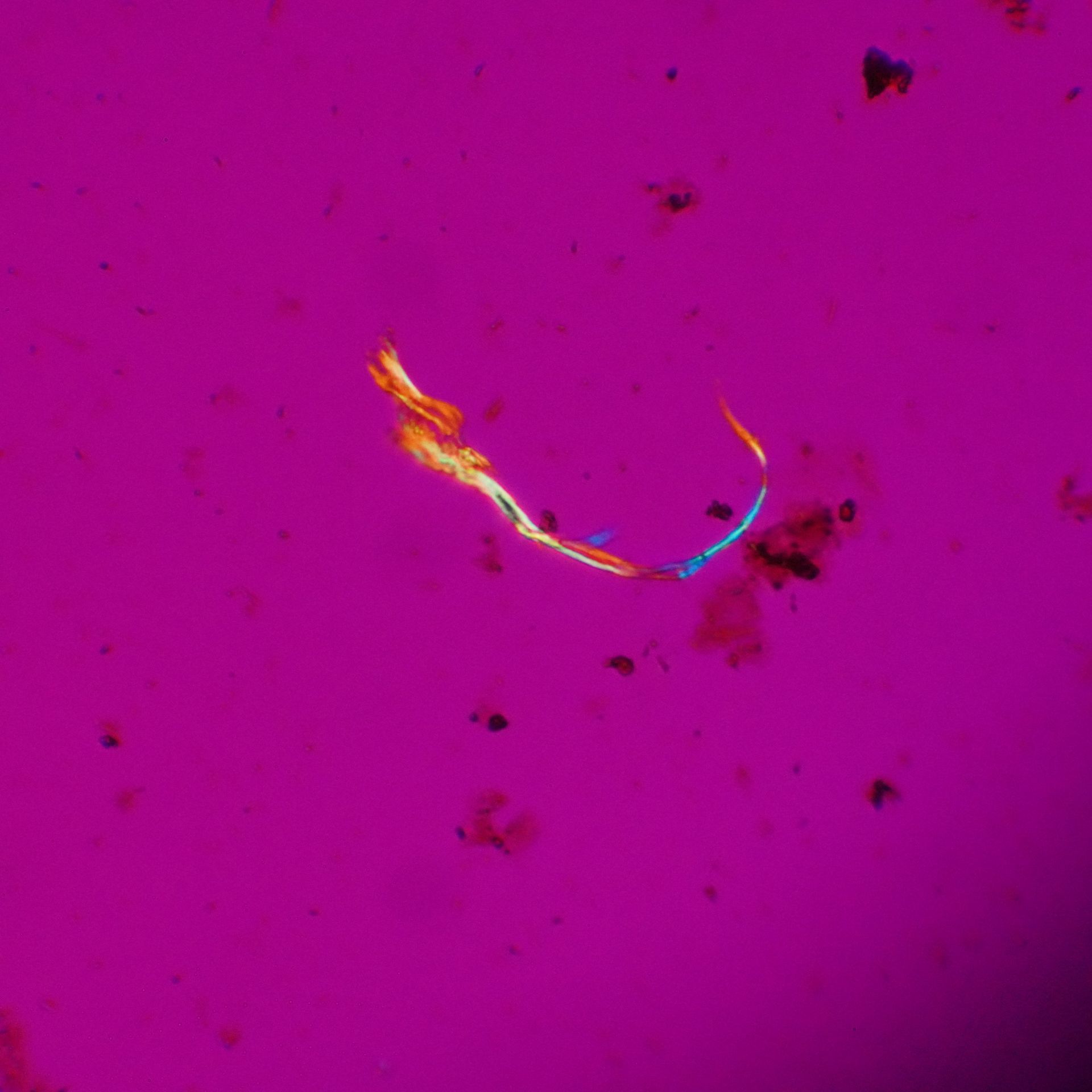
These discoveries could no longer be ignored by the evolutionary community. The instinctive reaction by evolutionists was to attack and discredit. As fellow evolutionists, Horner and Schweitzer were shocked and offended by this. Some attacks were of such a visceral and harsh nature usually reserved for creationists. The attacks, however, did not stop them from continuing to publish more and more discoveries that were confirmed by numerous other scientific institutions. At the time of this article, there have been at least 134 publications in academic journals by several scientists and institutions describing biomaterials in fossils dated by evolutionists to be a minimum of 5-MYO, with a few even dated over 1 to 2 billion years old.
Still, it has been the discoveries in dinosaurs that have caused the greatest concern in evolutionary circles. Why? Because dinosaurs are a primary tool in indoctrinating young people to believe in evolution and billions of years of earth and cosmic history. If dinosaurs are not millions of years old, as the discovery of biomaterials demands, then the evolutionary timeframes are not correct, the process of biological evolution cannot happen, and, therefore, the only logical explanation for the recent existence of dinosaurs would be a somewhat recent creation. Hence, the plausibility of the Biblical record takes on enormous significance in people’s minds, which is anathema to evolution.
Several rescue devices have been proposed by those desperate to save the evolutionary mythos, but each one has been thoroughly refuted, usually by fellow evolutionists.⁸ As of now, here
is a
list of some of the published biomaterial discoveries found specifically in dinosaurs:
| 1. BLOOD VESSELS: 2025, 2022, 2019, 2015, 2007, 2005 | 9. COLLAGEN: 2026, 2025, 2020, 2019, 2017, 2011, 2007 | 17. HEME (POSSIBLE HEMOGLOBIN): 2007, 1997 |
|---|---|---|
| 2. CHROMOSOMES: 2020 | 10. KERATIN: 2016 | 18. BLOOD CLOTS: 2020 |
| 3. CARTILAGAE: 2026, 2020 | 11. RED BLOOD CELLS: 2015, 2007 | 19. TUBULIN (PROTEINS): 2013 |
| 4. NERVE FILAMENT: 2024, 2021, 2020 | 12. OSTEOCYTES: 2019, 2013, 2007, 1997 | 20. ACTIN (PROTEINS): 2013 |
| 5. EGGSHELL PROTEINS: 2021 | 13. OVALBUMIN (EGG PROTEINS): 2005 | 21. UNMINERALIZED BONE: 2016, 2010 |
| 6. EGGSHELL PEPTIDE BONDS: 2020 | 14. ELASTIN (SKIN PROTEIN): 2009 | 22. CAROTENOIDS: 2008 |
| 7. AMINO ACIDS: 2008 | 15. OSTEOCALCIN: 2003, 1992 | 23. HISTONE H4 (PROTEINS): 2013 |
| 8. PHEX (BONE PROTEINS): 2013 | 16. MELANIN: 2019, 2017 | 24. DNA (LIMITED): 2020 |
For the list of 134 academic papers: https://docs.google.com/spreadsheets/d/1BSM-oQJXxhYBlsLE3gGl3bz8GXgtoLy-oLOsSNF_Lhw/edit?gid=0#gid=0
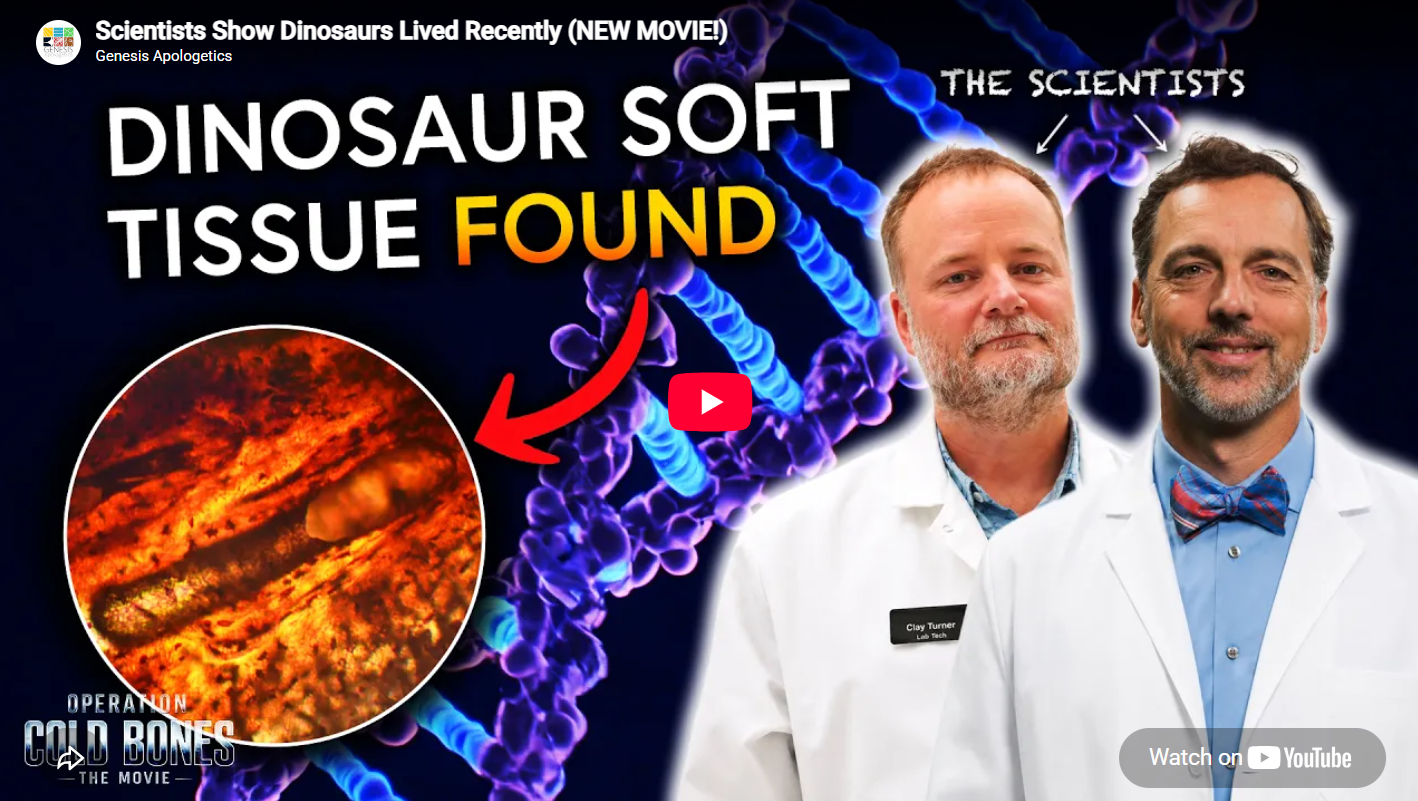
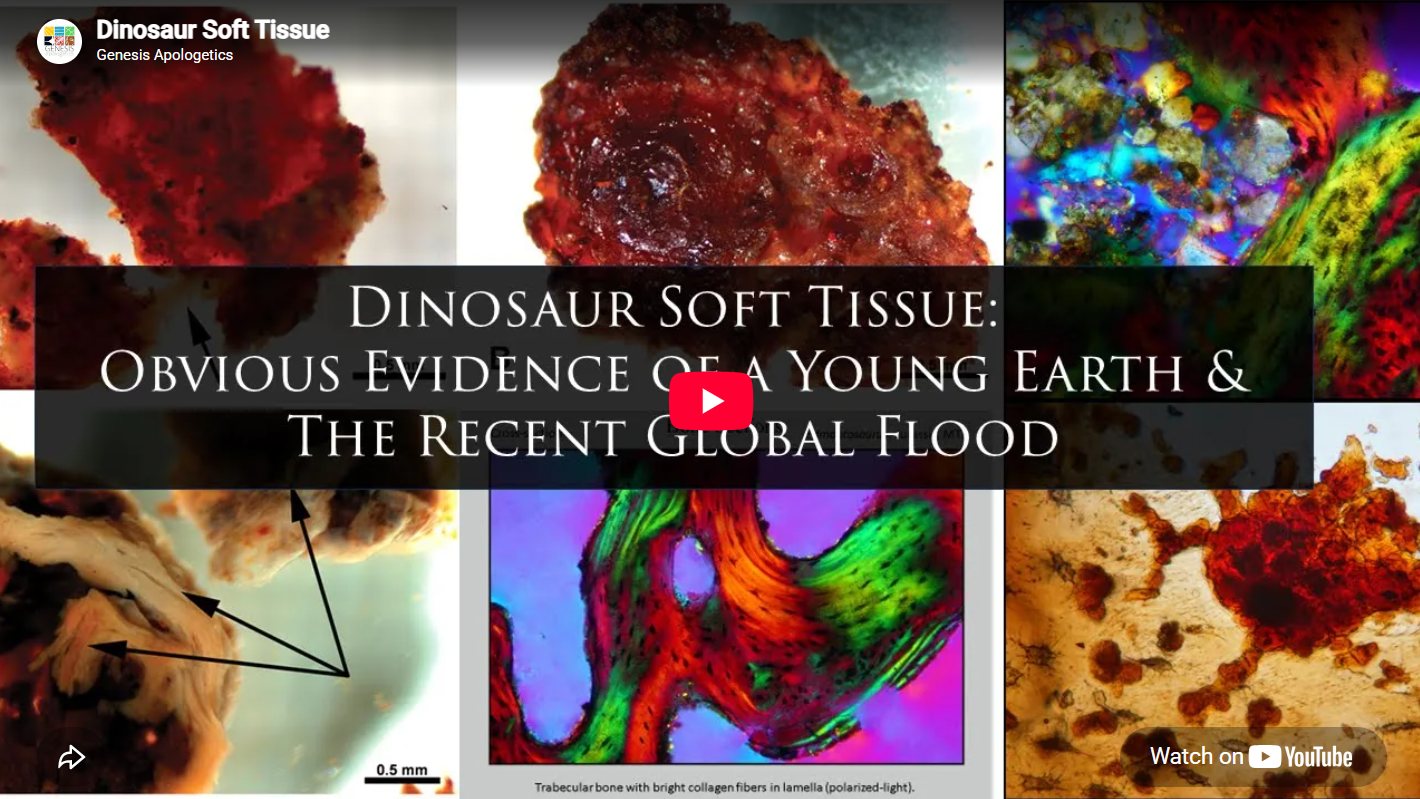
We highly recommend you check out the webpage and watch the videos on Genesis Apologetics’ website: https://genesisapologetics.com/softdinosaurs/
- In 1962: K. Little, et al, “Studies on bone matrix in normal and osteoporetic bone,” The Journal of Bone & Joint Surgery 44-B, no. 3: 503-19.
- In 1968: M.F. Voss-Foucart, “Paleoproteins des coquilles fossiles d'ȩufs de dinosauriens du cretace superieur de provence,” Comparative Biochemistry and Physiology 24, no. 1: 31-2, IN5-6, 33-6.
- In 1966: R. Pawlicki, et al, “Cells, Collagen Fibrils and Vessels in Dinosaur Bone,” Nature 21: 655-7.
- In 1963: W.A. Isaacs, et al. “Collagen and a cellulose-like substance in fossil dentine and bone,” Nature 197: 192.
- M. Schweitzer, et al, “Heme compounds in dinosaur trabecular bone,” PNAS 94, no. 12 (June 1997): 6291-6.
- Sarah Graham, “Scientists Find Soft Tissue in T. rex Fossil,” Scientific American newsletter, March 25, 2005: https://www.scientificamerican.com/article/scientists-find-soft-tiss/.
- M. Schweitzer, J. Horner, et al, “Soft-Tissue Vessels and Cellular Preservation in Tyrannosaurus rex,” Science 307, no. 5717 (March 2005): 1952-5.
- For further information, consult articles by leading expert and creationist Dr. Brian Thomas of the Institute for Creation Research, such as https://www.icr.org/article/iron-toast-union.