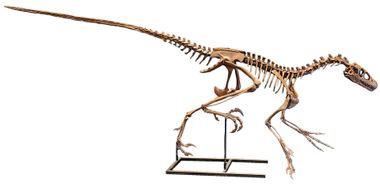
Dromaeosaurus albertensis
Name means: "Fast Running Lizard" "of Alberta"
About
Specimen: AMNH 5356 (cast)
Discovery: Barnum Brown, 1914
Excavated: Newell County, Alberta, Canada
Length: 8 ft
Height: 3 ft
Weight: est. 125 lbs
Dromaeosaurus albertensis is one of the rarest theropods, fossils of which have been found in Alberta and Montana. The few casts that have been prepared were composited from the known skull fragments, hand and foot bones, and bones from other closely related specimens. The so-called "raptors" are divided into two subfamilies: Dromaeosaurinae (larger with more robust, blunt-nosed skulls) and Velociraptorinae (smaller, more lightly built with slender skulls). Studies suggest a running speek of around 25 mph, with sprints up to 40 mph.
Contrary to how they are often portrayed, raptors, nor any other dinosaur, could not turn their hands downward (pronate), like they are playing a piano. Their hands instead faced each other, like they are going to clap their hands ("clappers, not slappers"). The popular portrayal of huntin in packs in highly disputed. Though their brains were proportionally larger than other dinosaurs, they were still quite small compared to mammals. Rather, raptors may have been social, opportunistic feeders, similar to Komodo Dragons.
Despite common depictions of them with feathers and related to birds, feathers have never been found on any dinosaur fossil. Latest studies have confirmed they were cold-blooded reptiles (ectothermic), which makes it impossible for them to have feathers.
Other Fossils
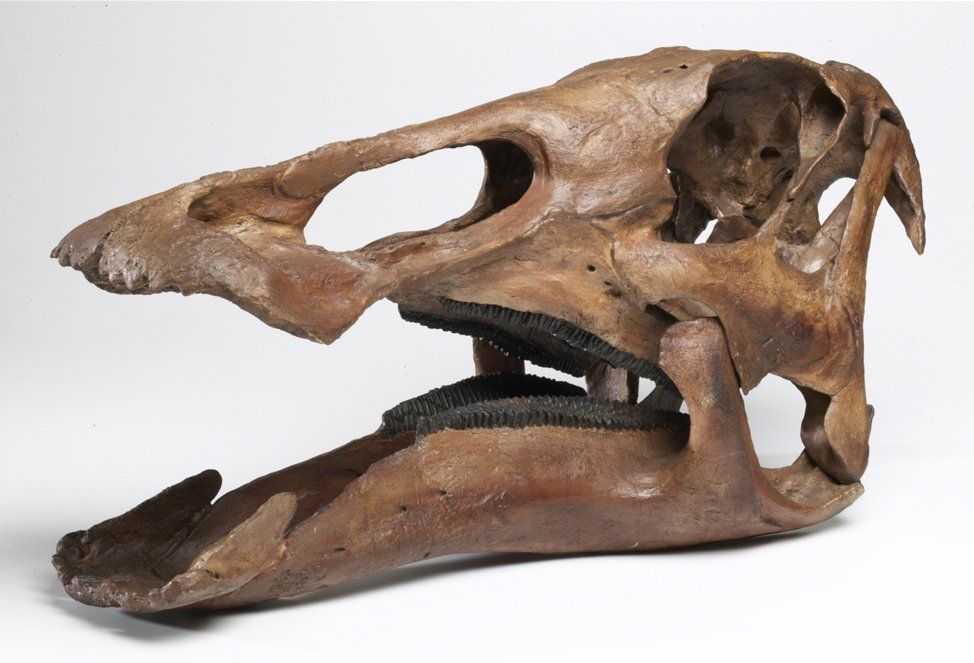
Edmontosaurus annectens
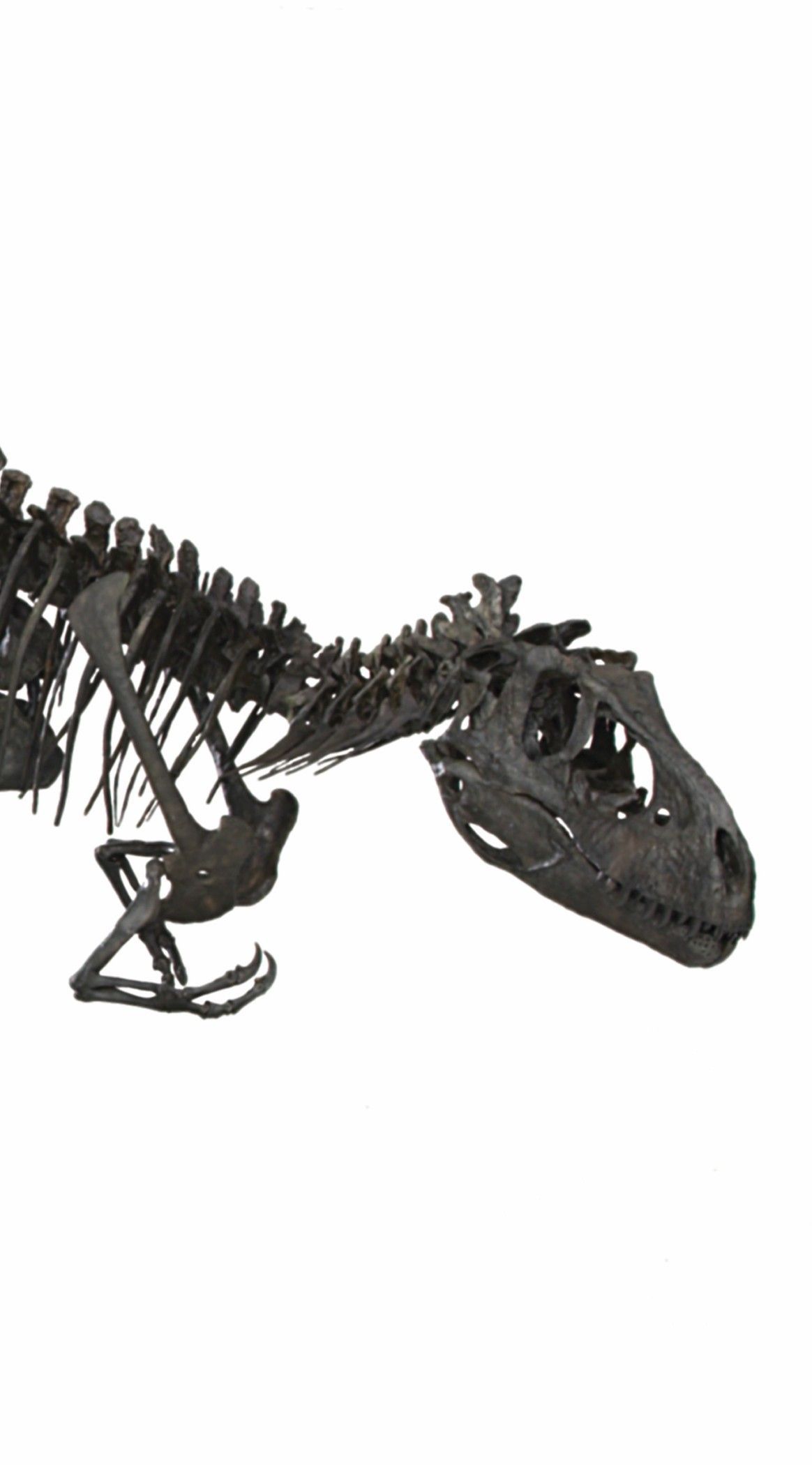
Albertosaurus sarcophagus
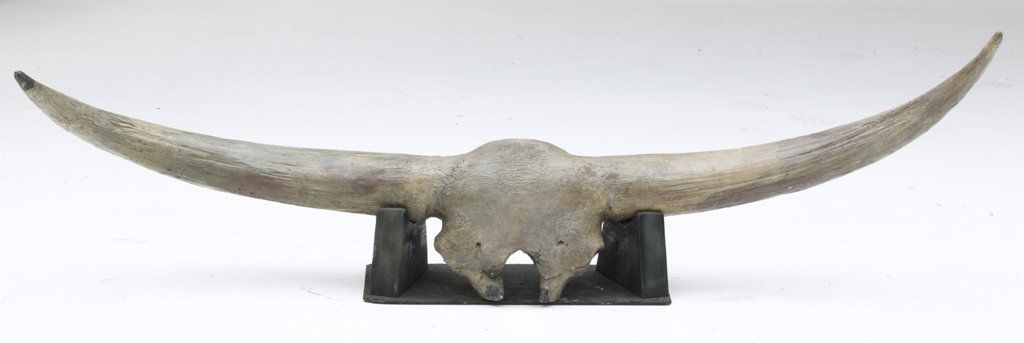
Bison latifrons
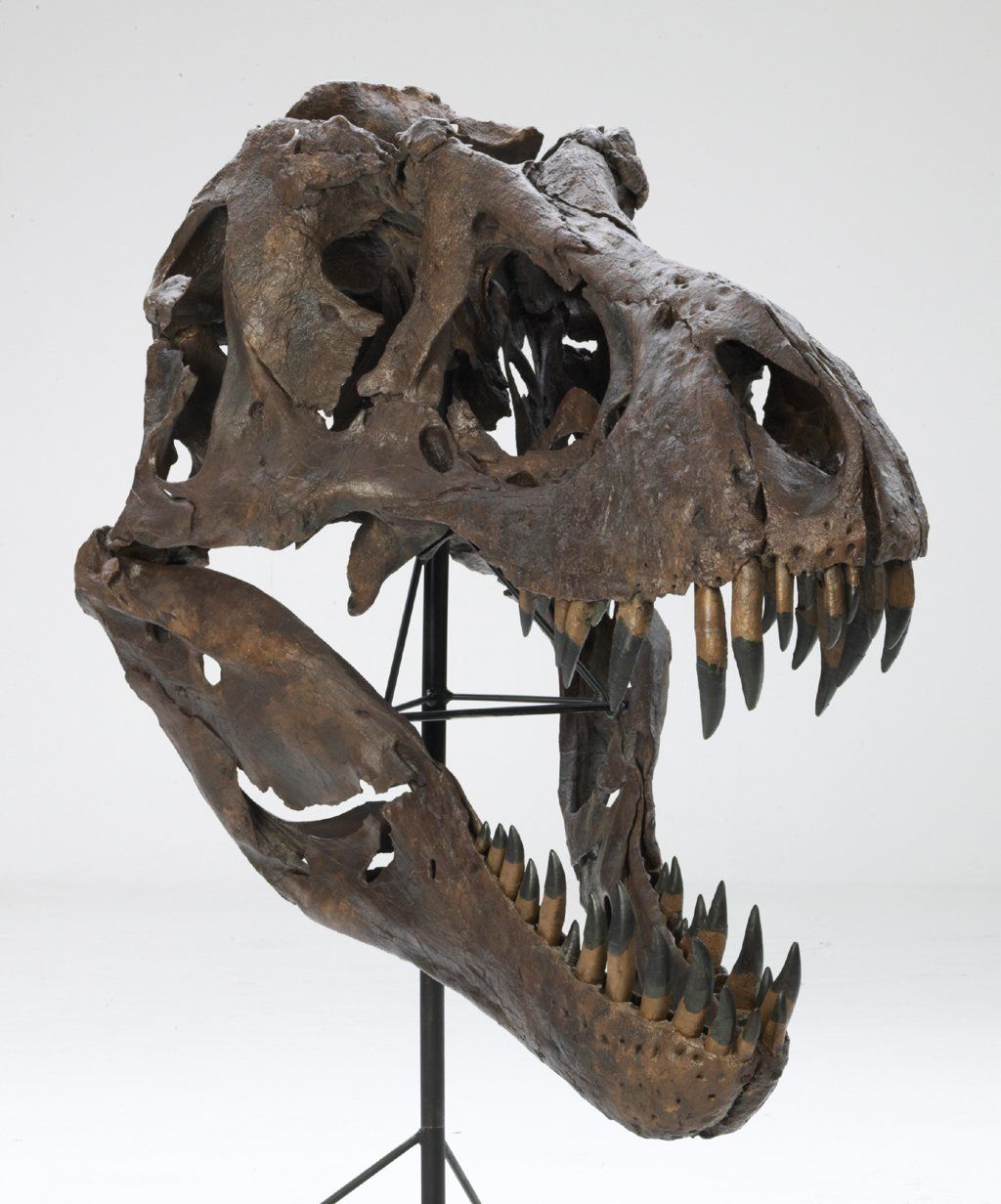
Tyrannosaurus rex
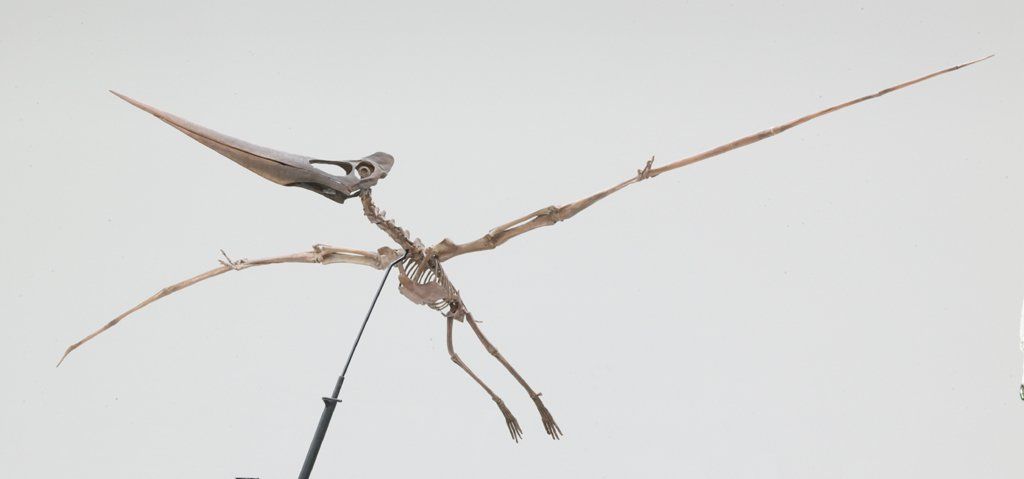
11ft Pteranodon longiceps
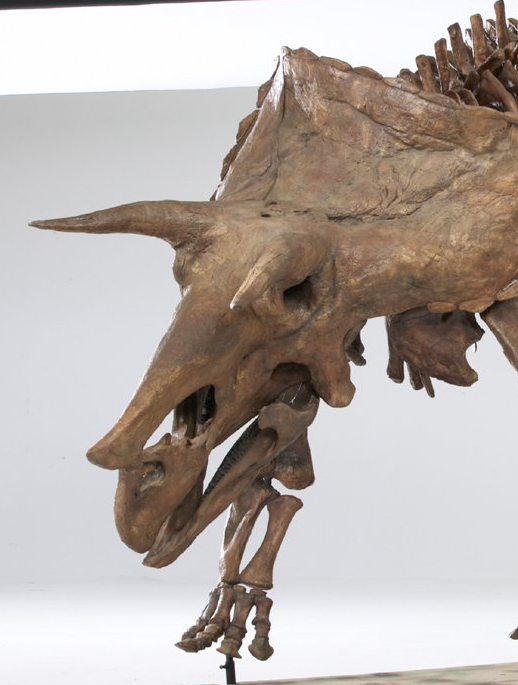
Triceratops prorsus
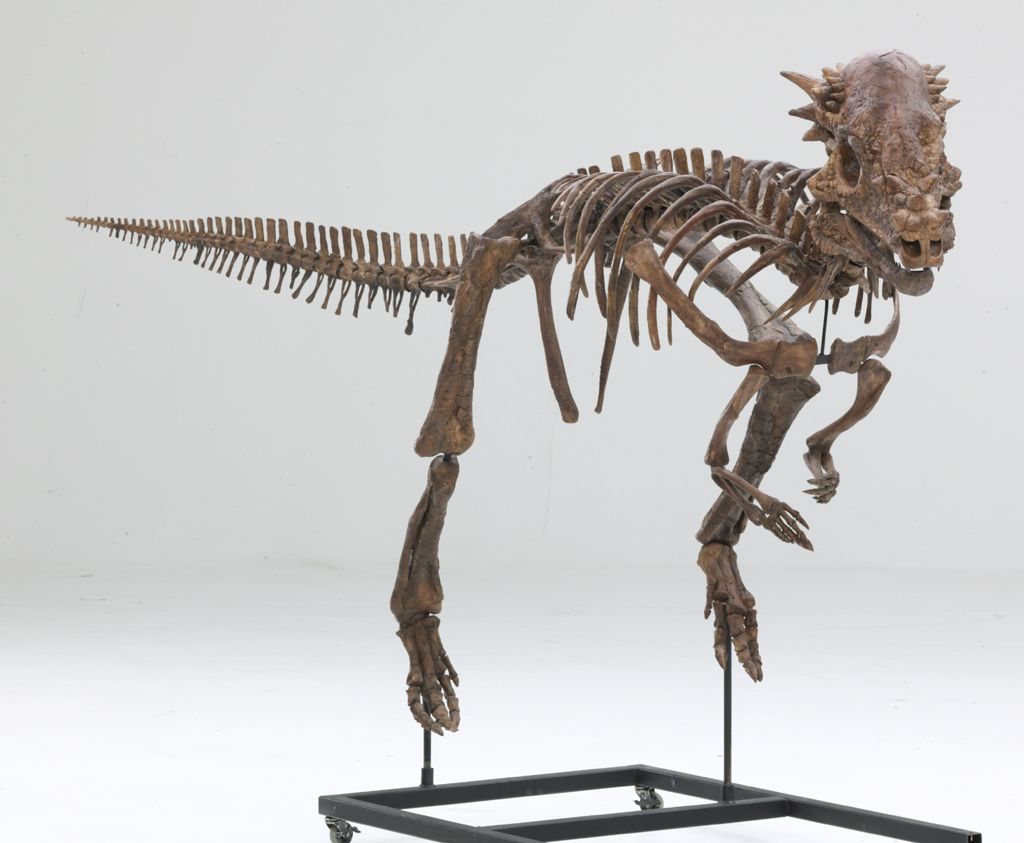
Pachycephalosaurus wyomingsis
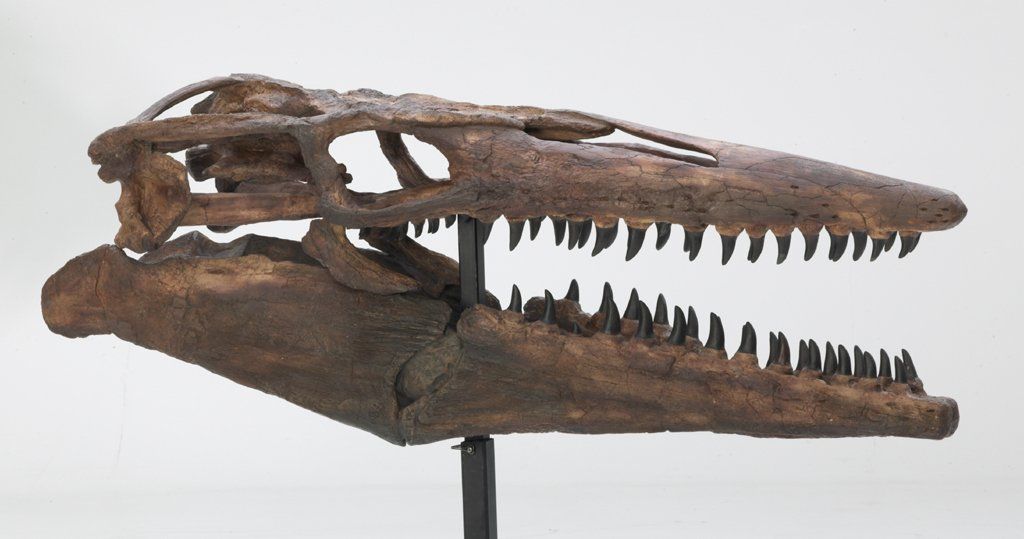
Tylosaurus proriger
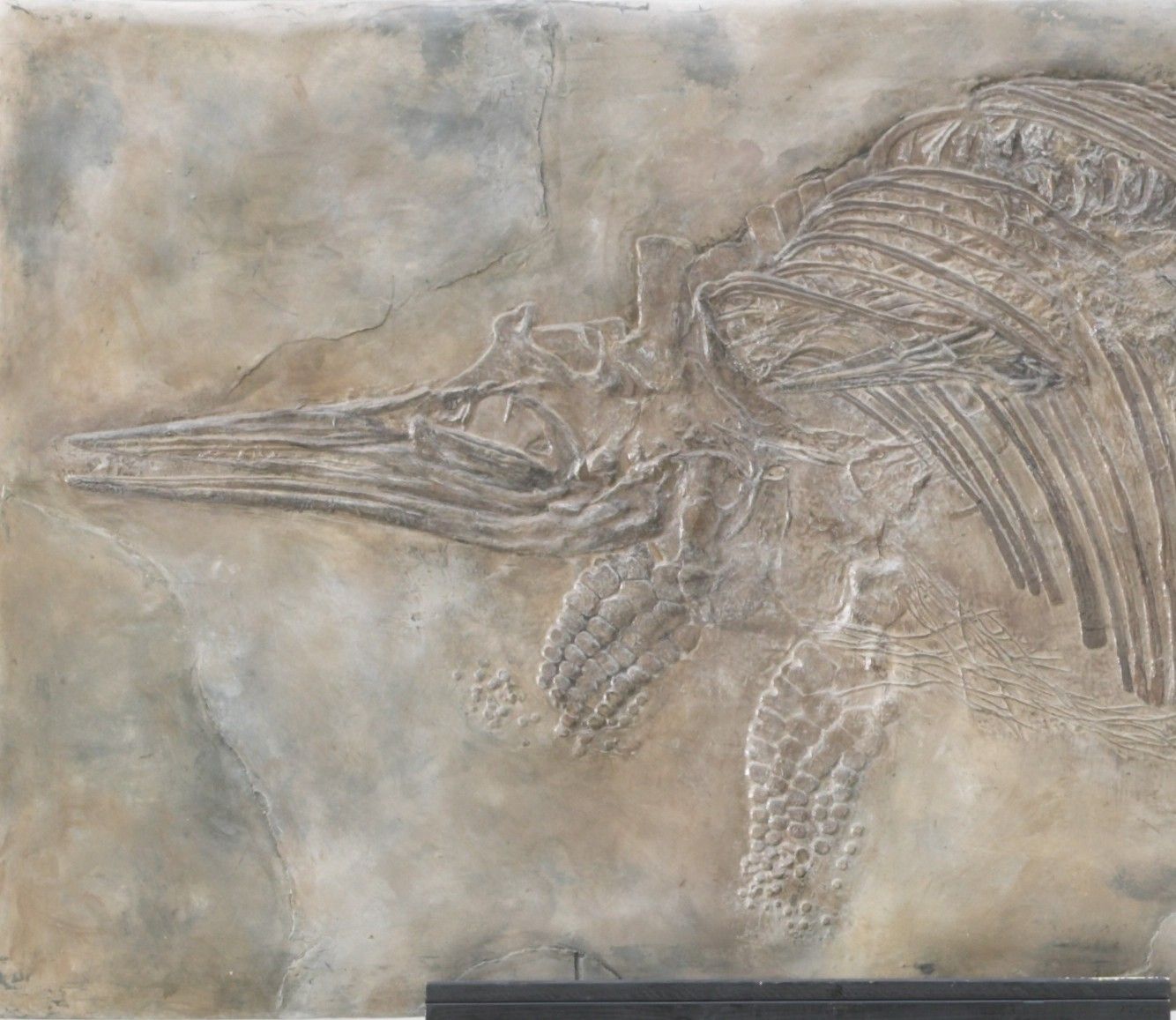
Stenopterygius quadriscissus
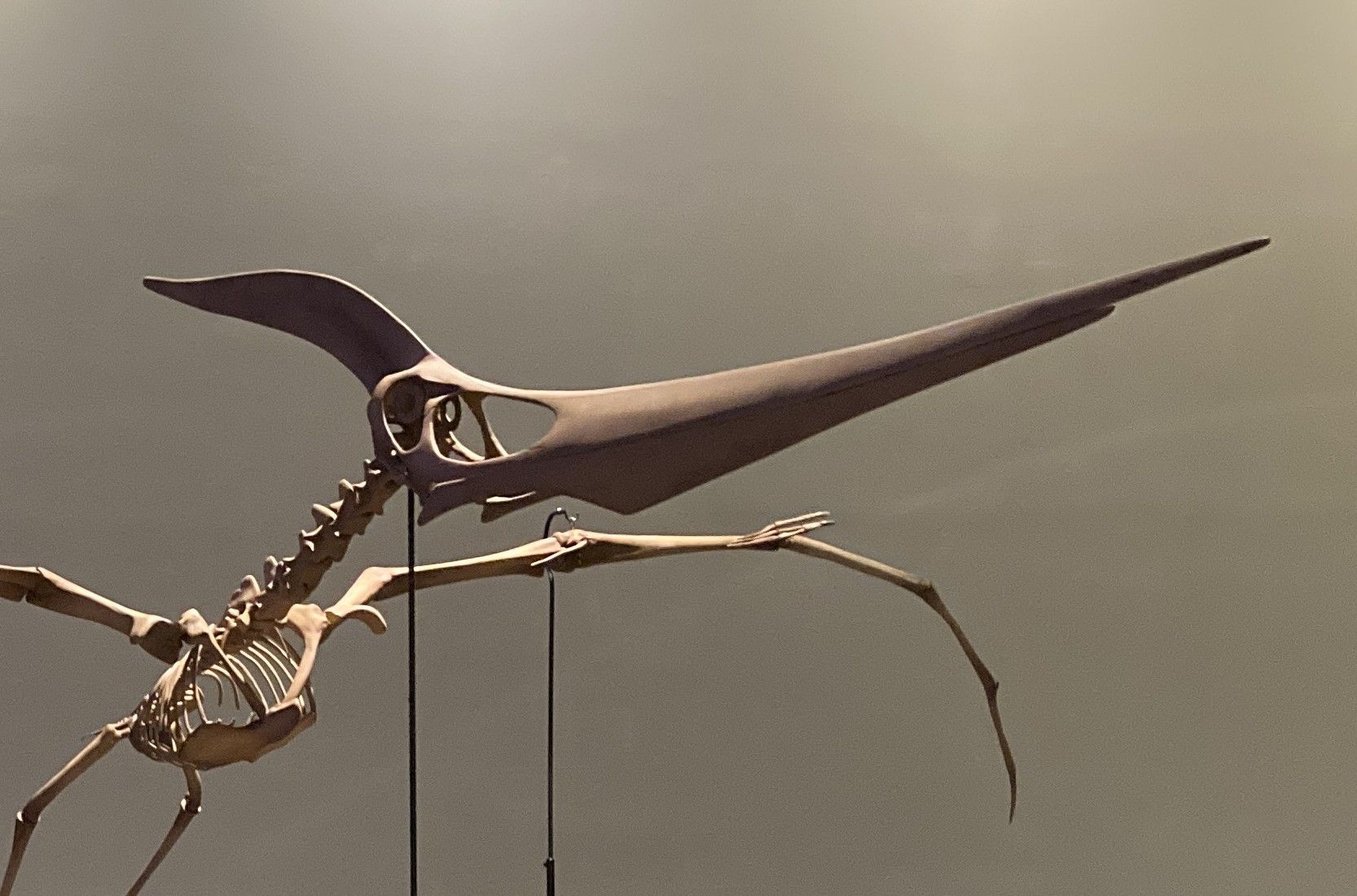
24ft Pteranodon longiceps
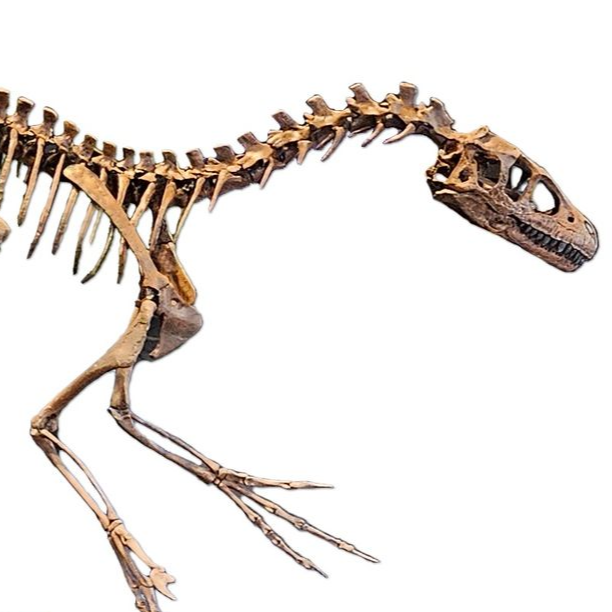
Dromaeosaurus albertensis
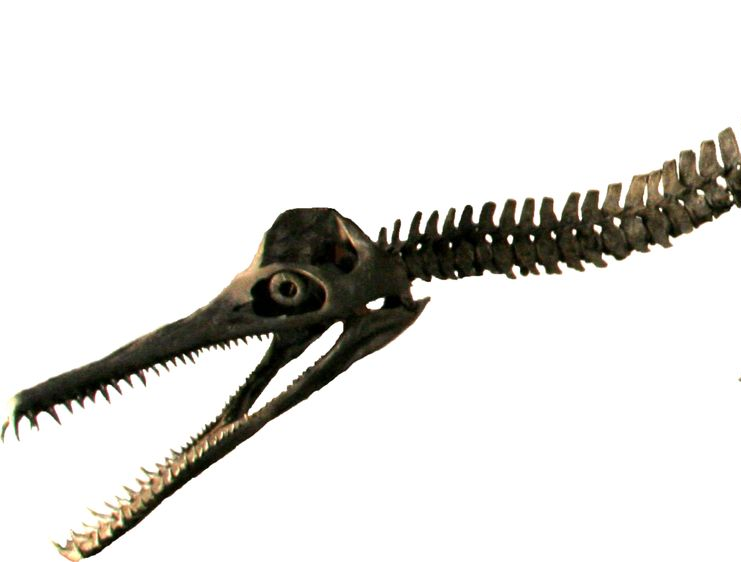
Martinectes bonneri
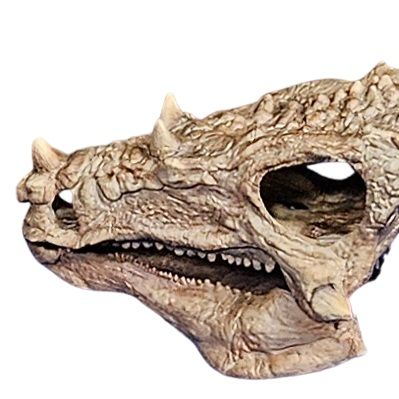
Dracorex hogwartsia
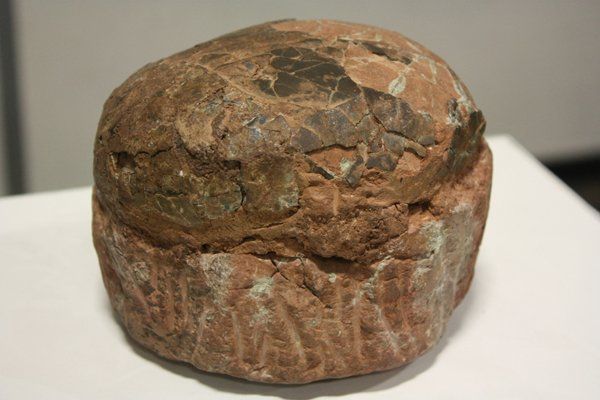
Dinosaur Egg
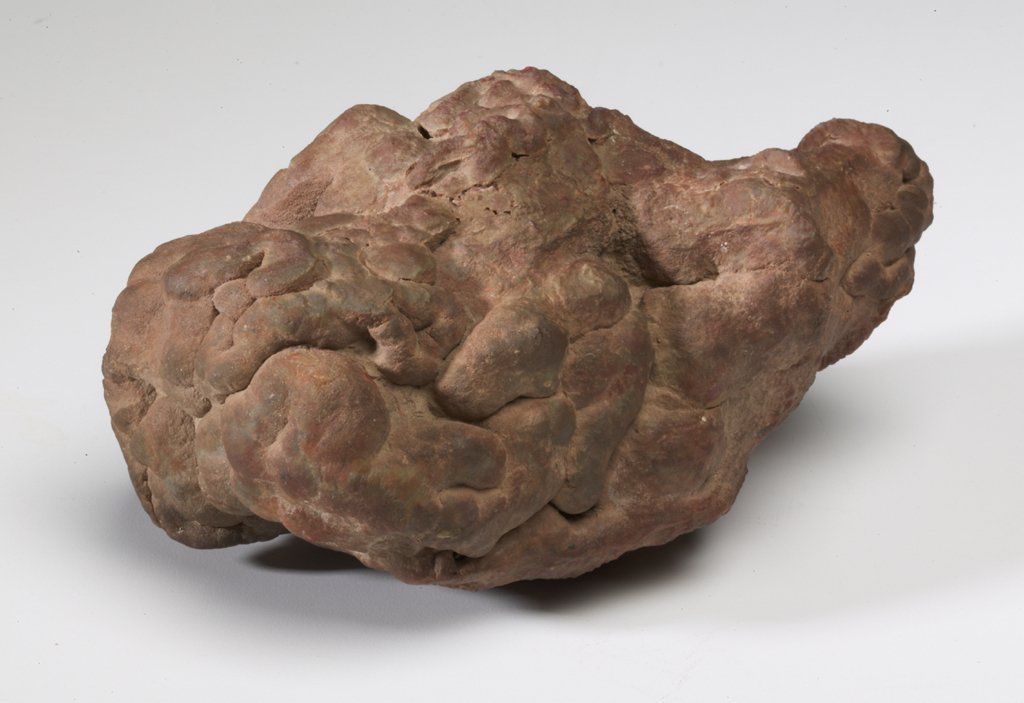
Coprolite (Fossil Excrement)
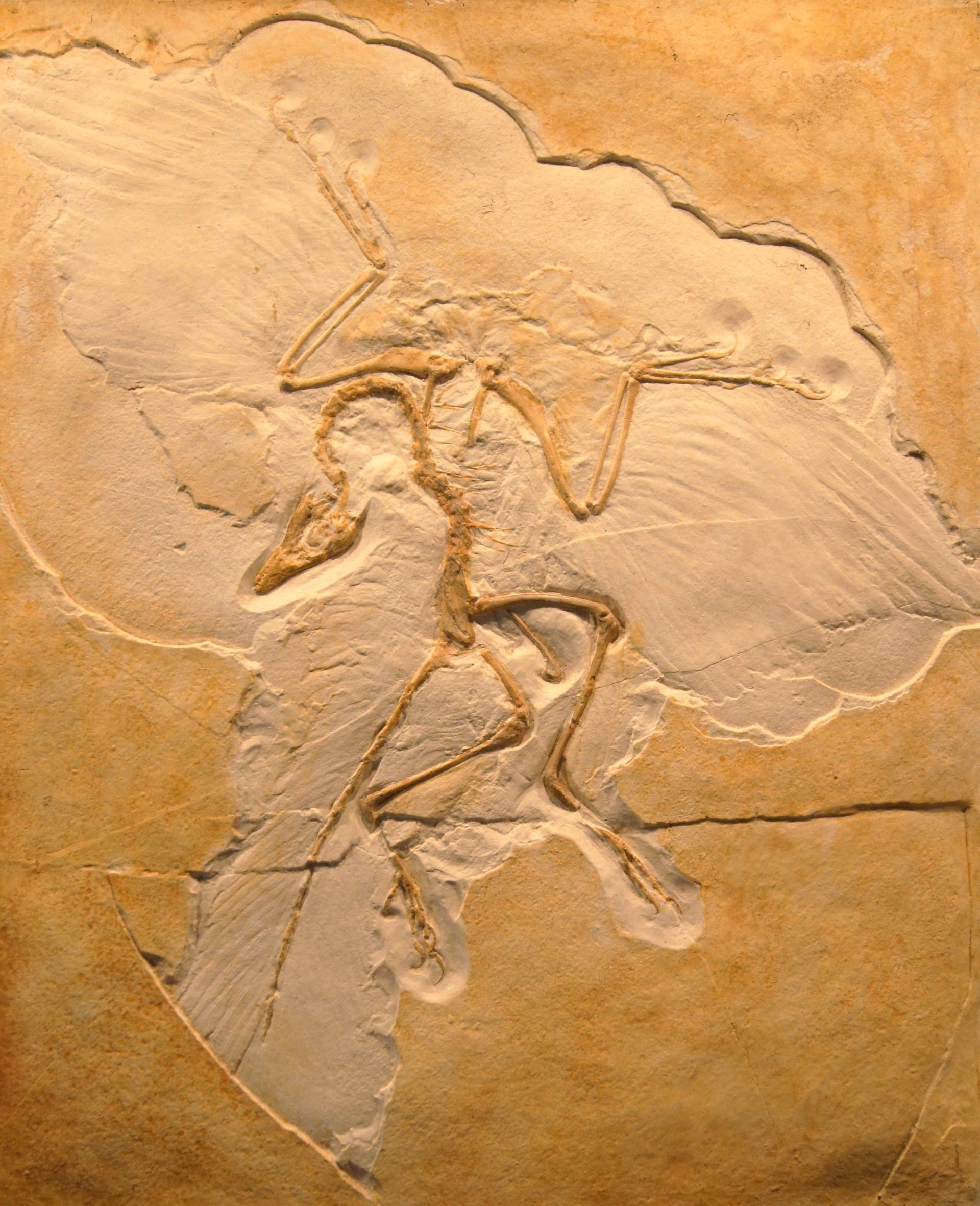
Archaeopteryx siemensii
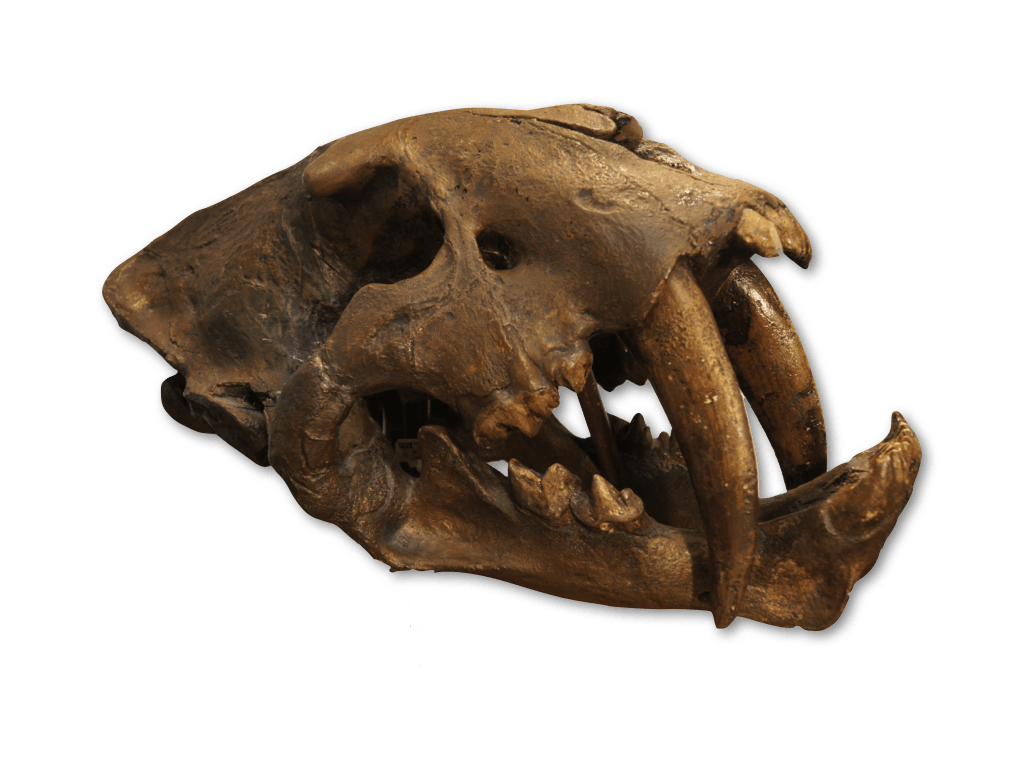
Smilodon californicus