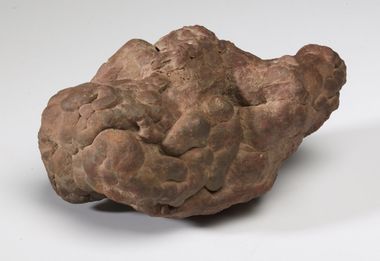
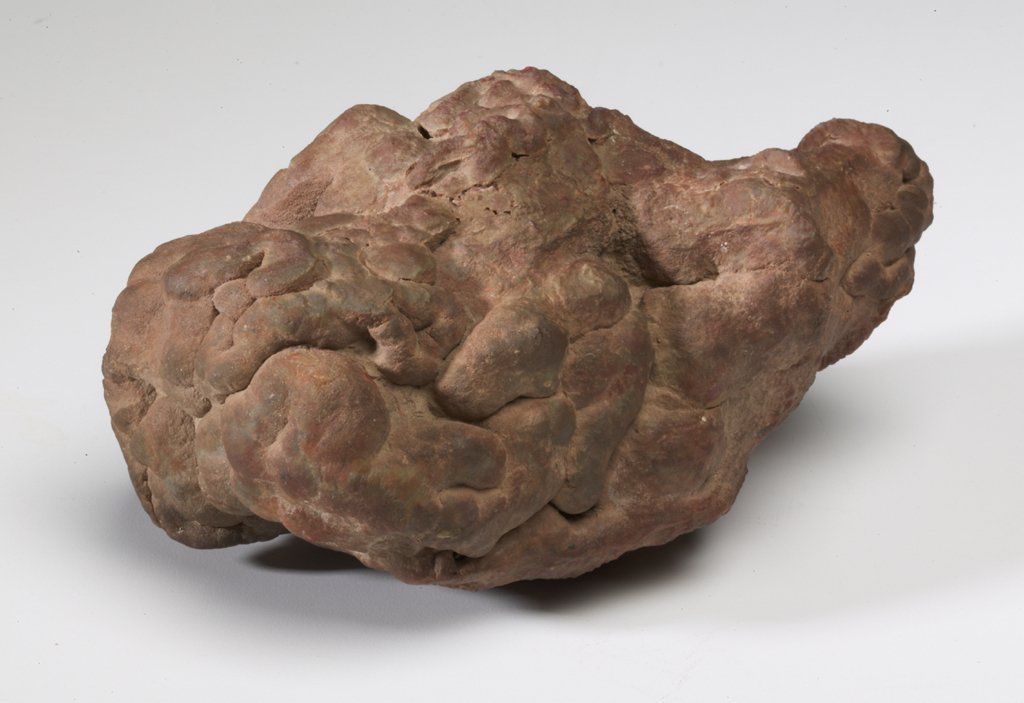
Coprolite (Fossil Excrement)
Name means: "Dung Stone"
About
Specimen: MOEH 201
Discovery: Marion Trone, 1990s
Excavated: SW Colorado
Weight: 10 lbs
Length: 10 in
By combining two Greek words (kopros - dung or feces, and lithos - stone), William Buckland published the term "coprolite" in 1829. he and Mary Anning had found pieces within icthyosaurs in southern England. When broken open, they found fish bones, scales, teeth, and even some ichythosaur bones. Since then, much has been learned about the possible diets of animals as coprolites have been found all over the world throughout geologic strata.
Coprolites are identified by shape, structural patterns, examination for contents (such as digested plant or animal material), and possible X-ray fluorescence analysis, in which calcium and phosphorous remains are detected. Many specimens of coprolite have been identified for fish, reptiles, and mammals. They are classified as "trace fossils" since they reflect more of behavior than structure. To be preserved, they must be rapidly buried by mud flow before decomposition. Due to their global occurrences, paleobiochemist Dr. Brian Thomas has stated, "A global result must have a global cause."
Other Fossils
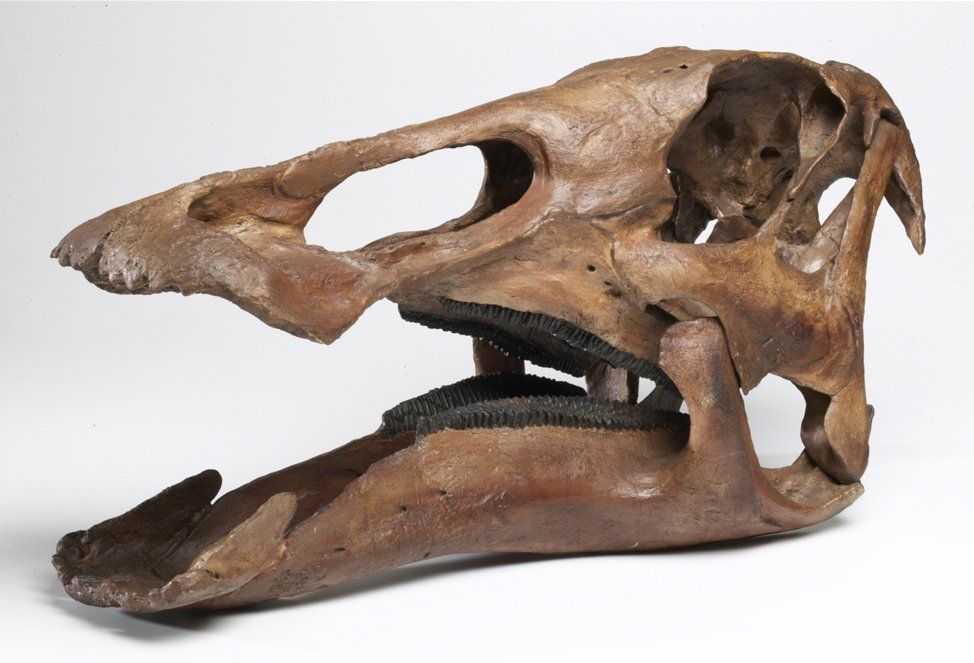
Edmontosaurus annectens
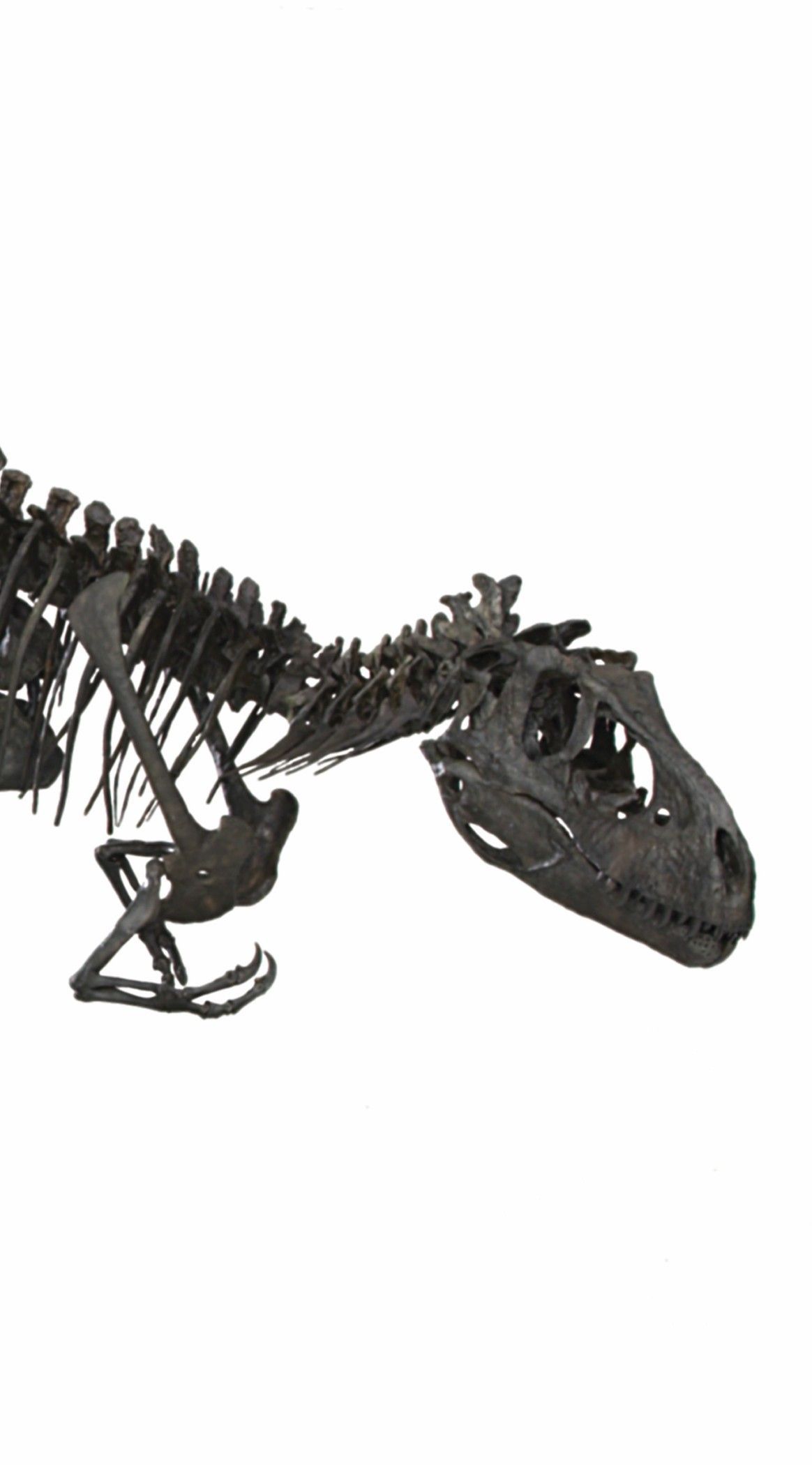
Albertosaurus sarcophagus
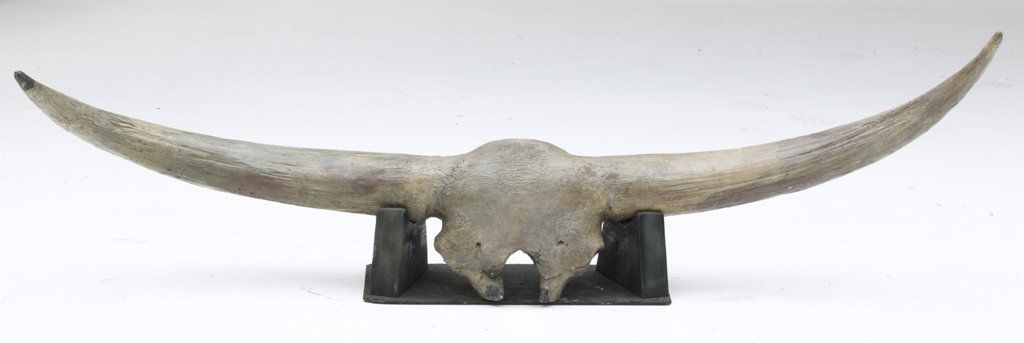
Bison latifrons
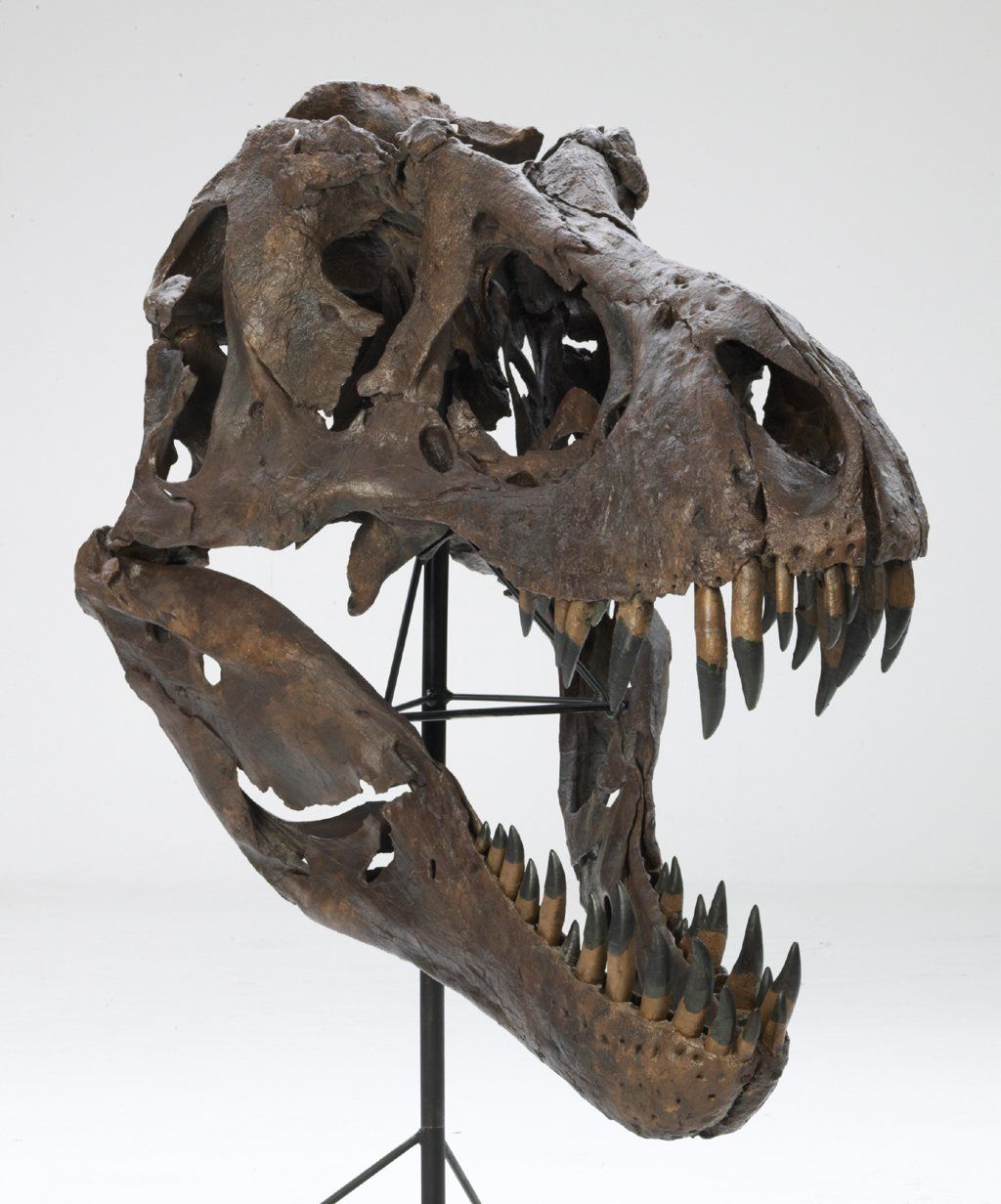
Tyrannosaurus rex
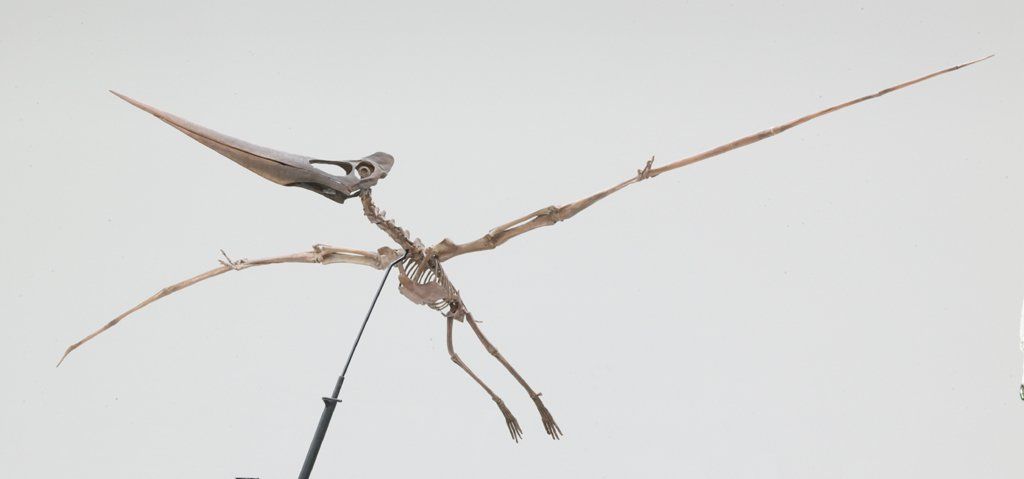
11ft Pteranodon longiceps
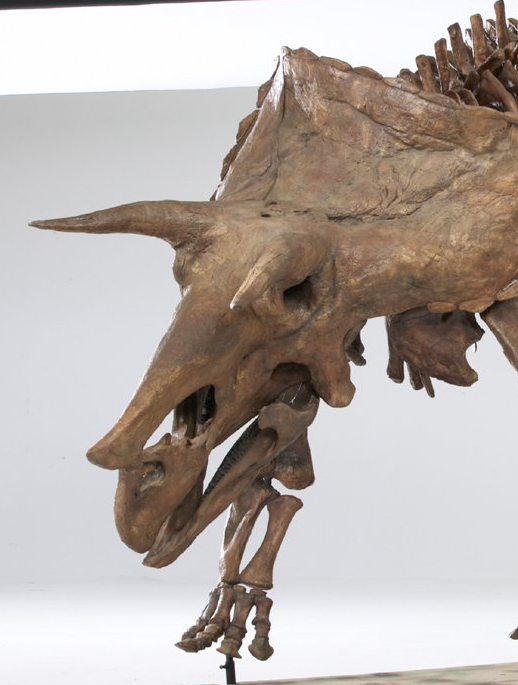
Triceratops prorsus
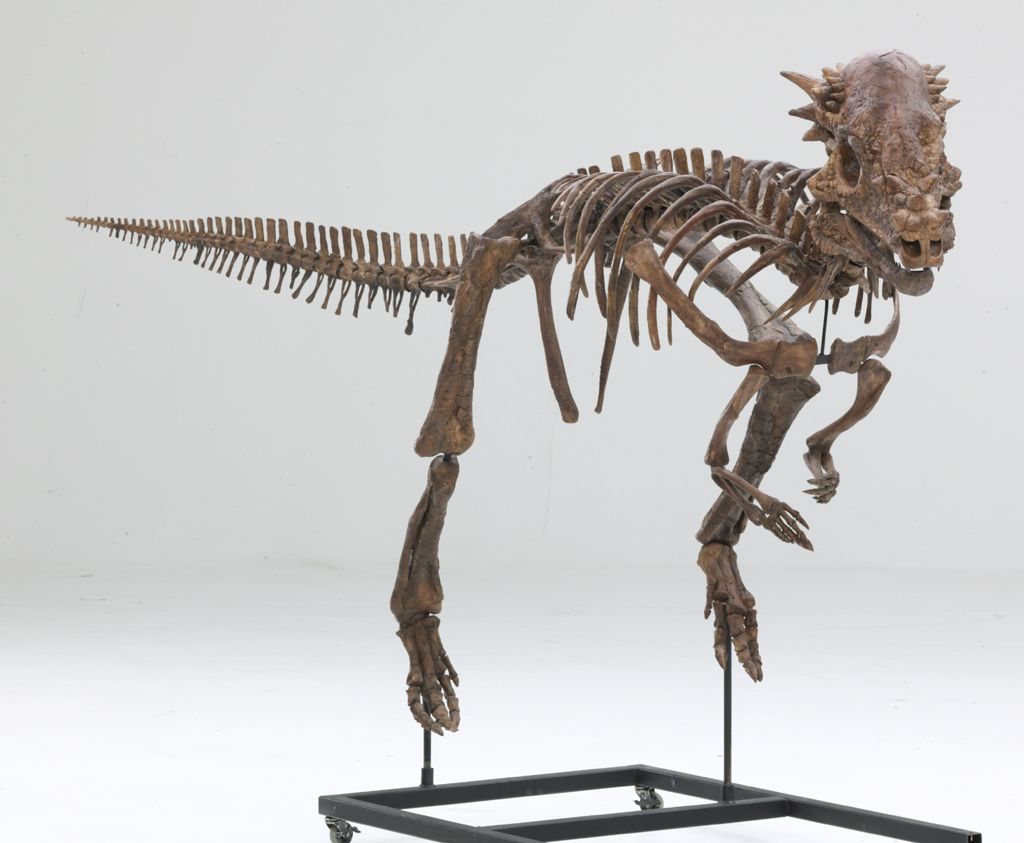
Pachycephalosaurus wyomingsis
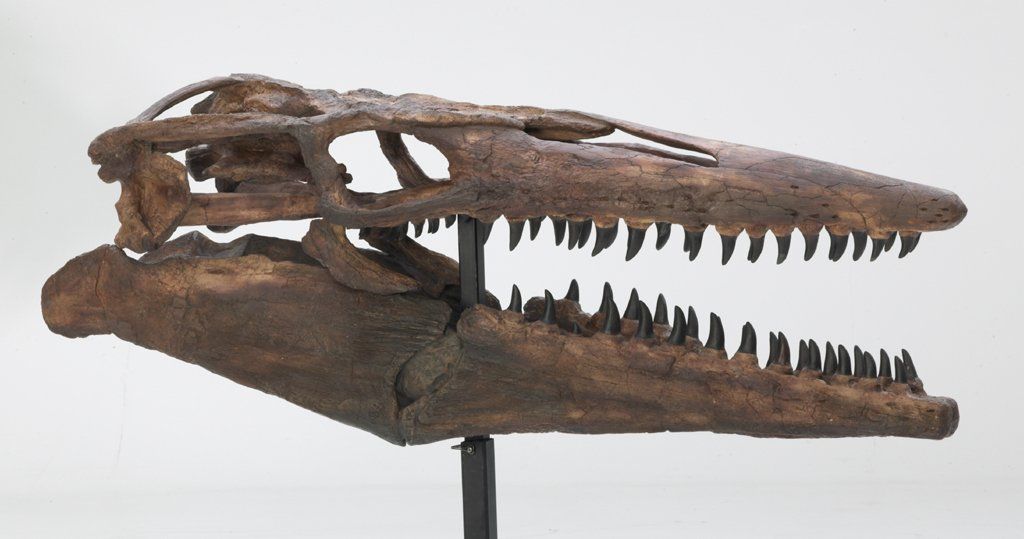
Tylosaurus proriger
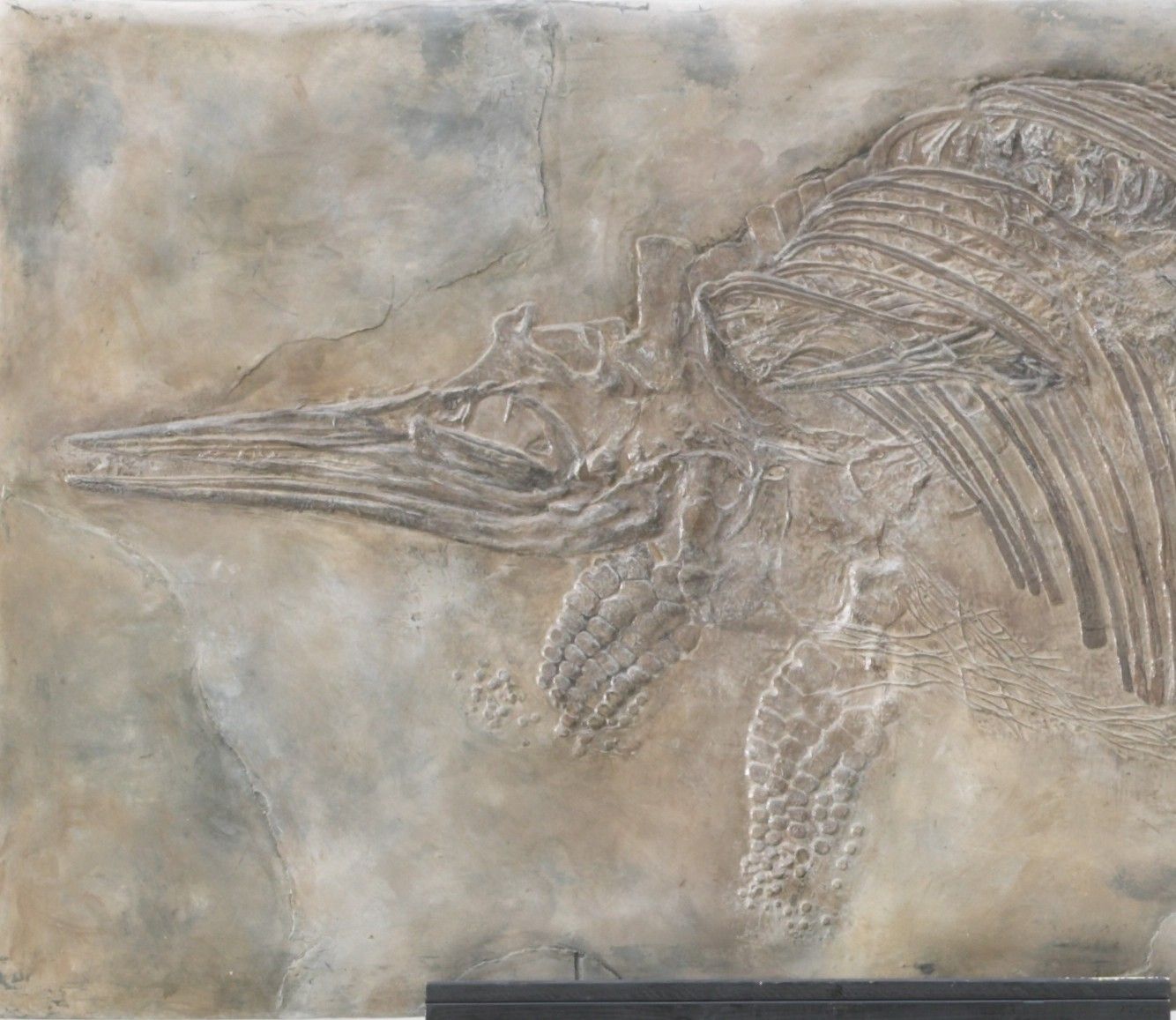
Stenopterygius quadriscissus
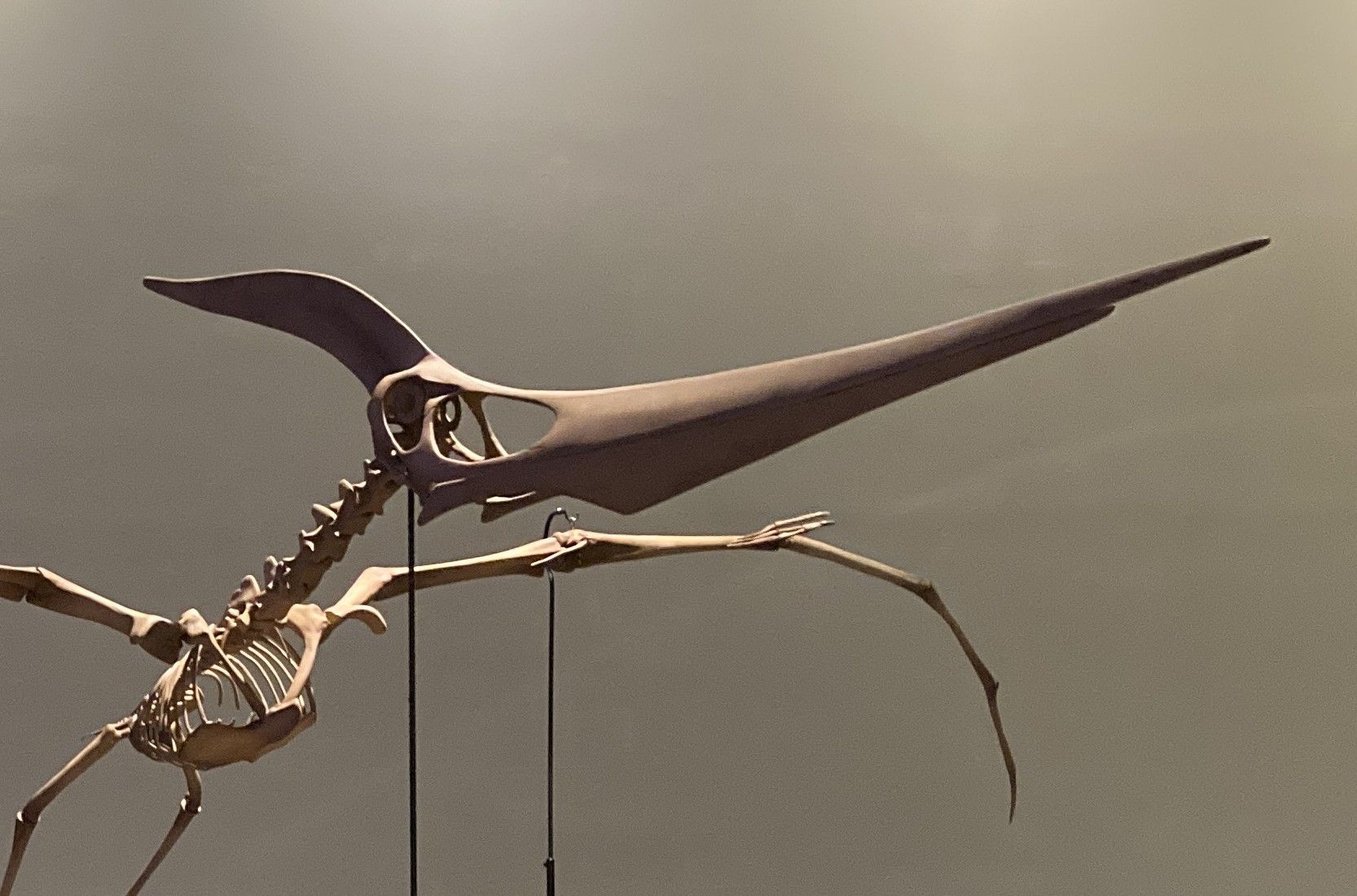
24ft Pteranodon longiceps
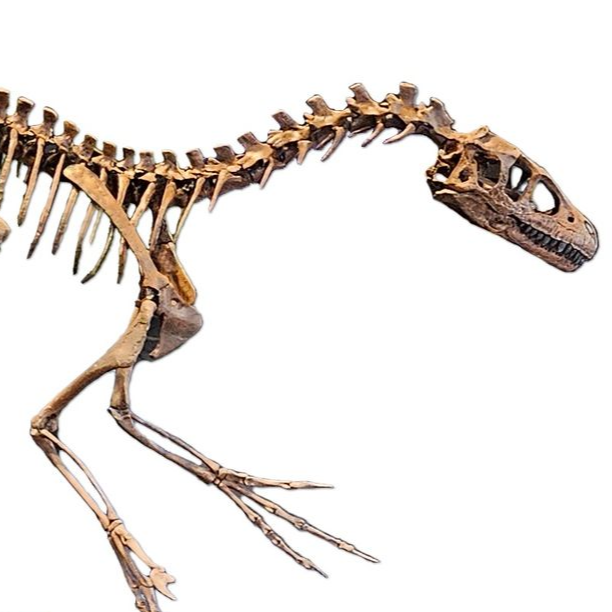
Dromaeosaurus albertensis
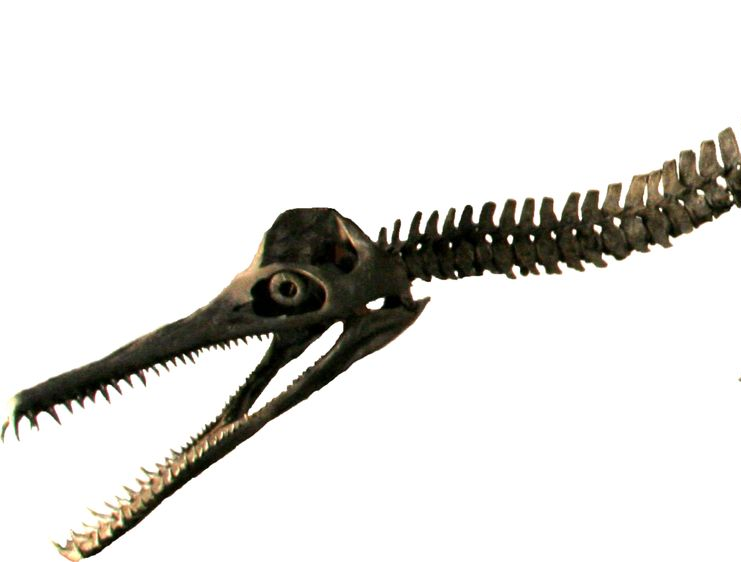
Martinectes bonneri
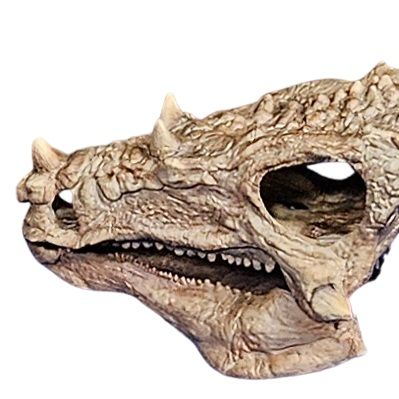
Dracorex hogwartsia
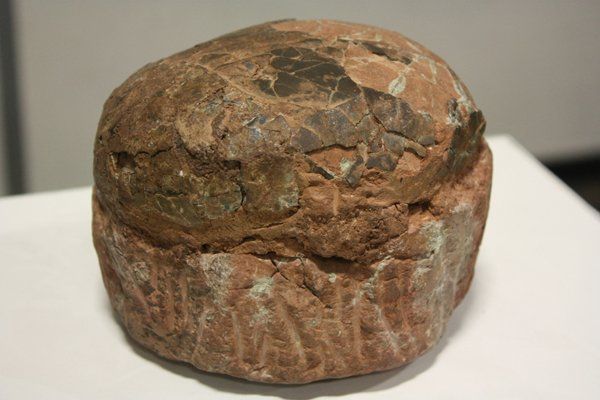
Dinosaur Egg
Coprolite (Fossil Excrement)
Archaeopteryx siemensii
Smilodon californicus